
Can I work full-time during holidays in Europe?
Can I Work Full-Time During Holidays in Europe? A Step-by-Step Europe Study Guide for International Students
For most international students in Europe, the long summer break, semester breaks, and official holiday periods are not just for rest and travel — they are also a valuable opportunity to earn more, gain real work experience, and strengthen their long-term career profile. Many students from Asia, Africa, Latin America, the Middle East, and beyond ask the same practical question: can I really work full-time during holidays in Europe, or are there still limits?
The honest answer is yes — in most European countries, international students with valid student residence permits are allowed to work full-time during official holiday periods, although the exact rules, definitions, and limits vary from country to country. In some cases, "full-time" means working 35 to 40 hours per week, while in others it is defined by total annual day-based or hour-based caps. In this detailed guide, Europe Study explains country-wise rules, common patterns, visa conditions, top holiday job types, and practical tips so you can plan your full-time work during holidays in Europe safely, legally, and strategically.
Why Full-Time Work During Holidays Matters for Students
Before getting into specific country rules, it helps to understand why working full-time during holidays is so valuable for international students.
Full-time work during holidays allows students to earn significantly more than they would through limited weekly hours during academic terms. This extra income can cover a large part of accommodation, food, transport, insurance, and travel costs, reducing financial pressure on families.
Beyond money, working full-time during holidays provides intense, focused exposure to European workplaces, helping students improve language skills, build professional networks, gain references, and clarify career paths. For students aiming at long-term careers and PR in Europe, full-time holiday work — especially internships and seasonal industry roles — can be an important step toward qualified employment after graduation.
What Counts as a "Holiday Period" in Europe?
The concept of "holidays" in European student work rules is more structured than many students realise. Not all breaks count as official holiday periods for work purposes. Generally, the following periods may be considered holidays depending on the country.
These typically include the summer vacation (often June to September, depending on the academic calendar), winter and spring breaks officially recognised in the academic calendar, mid-semester breaks, and other officially defined non-teaching periods of the institution.
Each country and university defines holiday periods slightly differently. Some define them by academic calendar, while others refer to specific dates set by immigration authorities. Always check the official guidelines of your university and the latest immigration rules in your destination country.
General Pattern: Full-Time Work During Holidays in Europe
Most EU and Schengen countries follow a similar overall pattern for international student work rules. During the academic term, international students are usually allowed to work part-time, with weekly or annual hour limits. During official holidays and breaks, students are generally allowed to work full-time, often defined as up to 35 to 40 hours per week, or with significantly relaxed daily and weekly limits.
Some countries replace weekly hour rules with annual day-based caps (such as a certain number of full days or half days per year), making the holiday vs term distinction less direct, while still allowing increased work intensity during breaks.
Holiday and term-time work rules can change and may vary based on your country, course, visa type, nationality, and the latest immigration regulations. Europe Study strongly recommends verifying current rules with the official immigration authority of your destination country and your university.
Country-by-Country Snapshot for Full-Time Work During Holidays
Each EU country has its own rules. Below is a general country-wise overview that Europe Study sees most often for international students.
Germany
Germany is one of the most student-friendly countries for work, including during holidays. International students typically have a yearly limit defined in days — for example, a set number of full days plus additional half days. During official semester breaks (Semesterferien), this allowance can be used more intensively, often allowing close to full-time work for several weeks.
Students working as "working students" (Werkstudenten) may have specific rules regarding hours, especially during term and breaks. Knowing German significantly broadens full-time holiday job opportunities, but many international companies in Berlin, Munich, Frankfurt, Hamburg, and Stuttgart also offer English-speaking roles, especially in IT, marketing, and customer support.
France
France generally allows international students to work alongside their studies up to a national annual hour limit. Many students use this allowance more heavily during holiday periods to take on full-time work in hospitality, retail, tourism, internships, and entertainment.
Some long-stay residence permits double as work-authorising documents (such as VLS-TS for students), but specific rules and processes for non-EU/EEA students may apply. French language skills strongly increase job options, especially for client-facing roles during the busy summer tourism season.
Netherlands
In the Netherlands, non-EU/EEA international students may work part-time during the academic term and full-time during the official summer months (typically June, July, and August), subject to their work permit (TWV) arrangements made by the employer.
EU/EEA students have broader and simpler work rights. Cities like Amsterdam, Rotterdam, The Hague, Utrecht, Eindhoven, and Groningen offer many full-time holiday opportunities in hospitality, tourism, logistics, retail, and IT support.
Ireland
Ireland is known for being friendly toward international students wanting to work full-time during holidays. Non-EU/EEA students enrolled in eligible full-time programs are generally allowed to work up to a set number of part-time hours during term and significantly more, including up to full-time, during official holiday periods, subject to the latest immigration rules.
Dublin, Cork, Galway, and Limerick offer many holiday roles in cafés, restaurants, retail, customer service, IT support, and tourism, especially during the summer months and Christmas season.
Italy
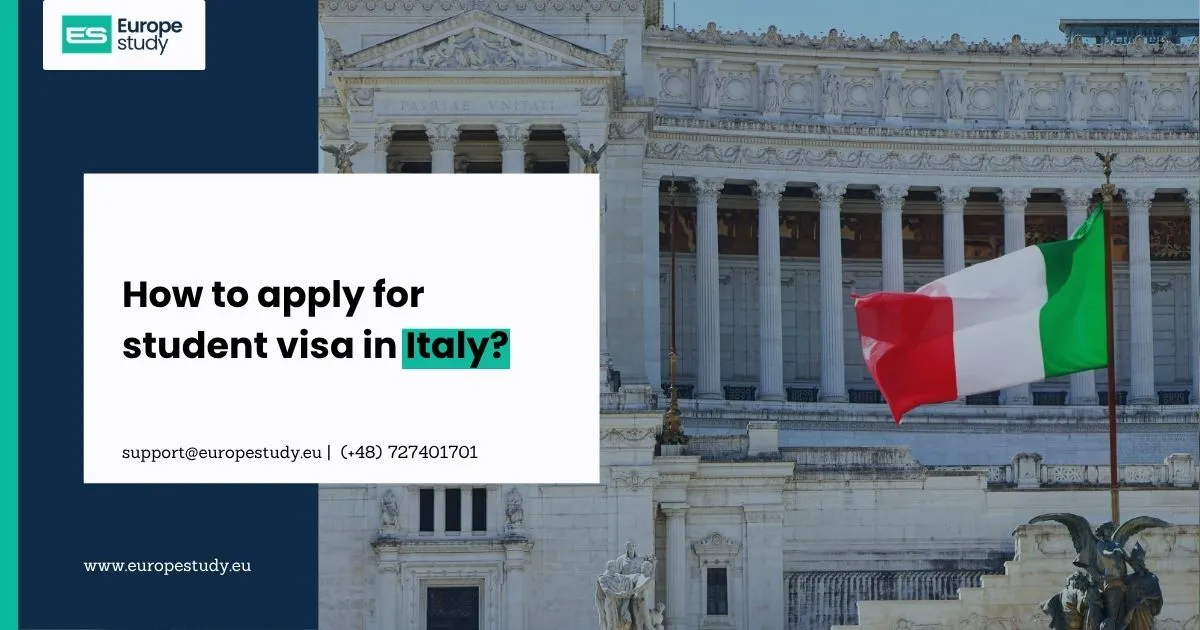
In Italy, international students can usually work part-time during the academic year and increase their hours during holidays, subject to overall annual hour limits and visa conditions. Tourism cities like Rome, Florence, Venice, Milan, and the coastal regions offer many seasonal jobs in hospitality and tourism, especially in summer.
Spain
Spain allows international students to work part-time alongside studies and to take advantage of holiday periods for additional or full-time work, depending on the type of student visa and the latest official rules. Cities like Madrid, Barcelona, Valencia, Seville, and the Balearic and Canary Islands have strong seasonal job markets in tourism, hospitality, retail, and events.
Spanish language skills significantly increase opportunities, especially in customer-facing roles.
Portugal
Portugal generally permits international students to work part-time during studies and full-time during official holiday periods, subject to the conditions of their student visa or residence permit. Lisbon, Porto, the Algarve, and Madeira have particularly strong summer tourism job markets, while Portugal is increasingly attractive for IT, BPO, and startup roles year-round.
Czech Republic, Poland, Hungary
These central European countries are popular with international students for their affordability and growing job markets. Many allow full-time work during official holidays, with specific rules tied to student visas and EU/non-EU status.
Common holiday job sectors include tourism, hospitality, retail, IT support, customer service, and seasonal events in cities like Prague, Brno, Warsaw, Krakow, Budapest, and other regional hubs.
Bulgaria, Romania, Lithuania, Latvia, Estonia
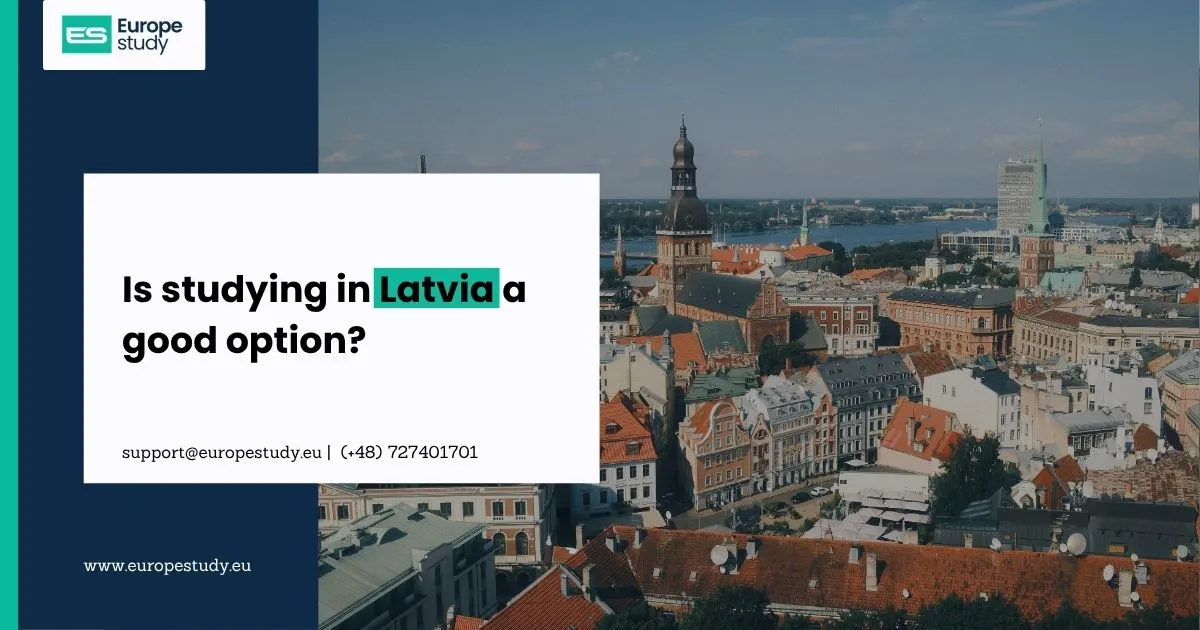
These Eastern and southeastern European EU countries are growing as study and work destinations. International students can usually work part-time during studies and increase to full-time during official holiday periods, subject to current rules and student visa conditions.
Holiday jobs are common in tourism, BPO, IT support, hospitality, and seasonal industries. English-speaking job options have grown significantly in capitals like Sofia, Bucharest, Vilnius, Riga, and Tallinn.
Nordic Countries (Sweden, Denmark, Finland, Norway)
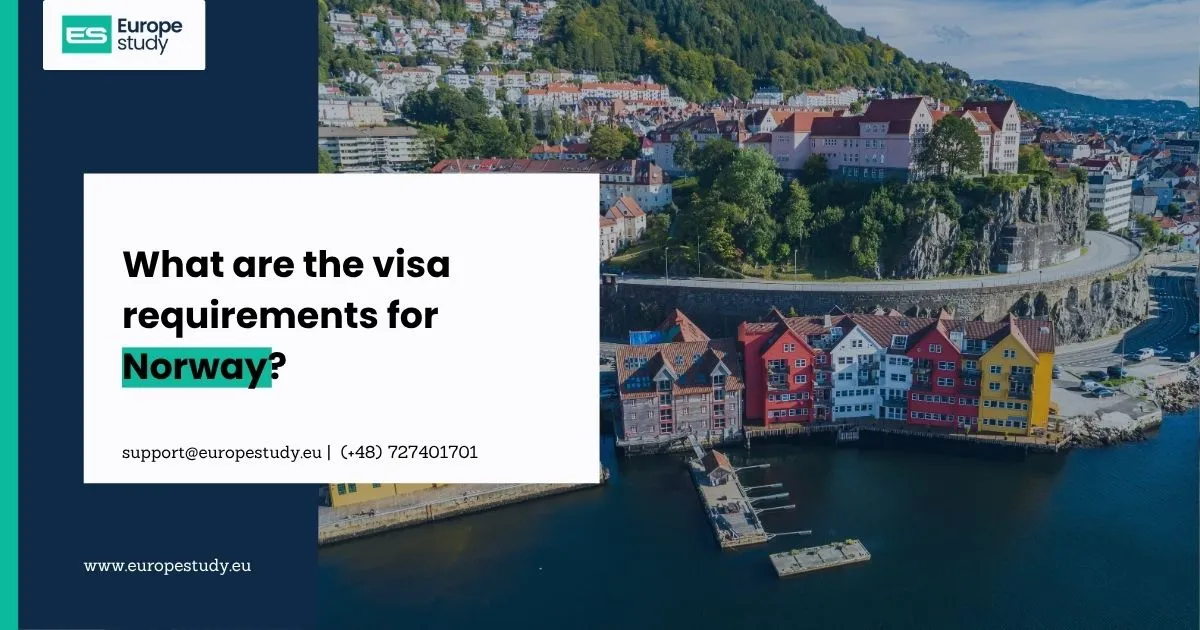
Although Norway is not in the EU, all four Nordic countries are popular study destinations and generally allow international students to work part-time during studies and to increase hours during official holidays, subject to the latest immigration rules.
Capitals like Stockholm, Copenhagen, Helsinki, and Oslo offer many holiday jobs in hospitality, retail, IT, healthcare support, and seasonal tourism, although the high cost of living means salaries are also relatively higher.
United Kingdom
The UK, although no longer part of the EU, remains a popular destination for international students. Eligible student visa holders are generally allowed to work a limited number of hours per week during term time and full-time during official holiday periods, depending on the level and type of course.
Cities like London, Manchester, Birmingham, Edinburgh, and Glasgow offer many holiday roles in retail, hospitality, customer service, on-campus jobs, healthcare, and internships.
Specific rules, hour limits, and conditions can change and may vary by nationality, course, and visa type. Always confirm the latest official immigration rules for your destination country.
Common Types of Full-Time Holiday Jobs for Students in Europe
During holidays, students can usually move from limited part-time roles to more intensive, structured work. Some of the most common full-time holiday job types include:
Hospitality and Tourism
Hotels, restaurants, bars, resorts, cruise lines, theme parks, and tour operators heavily recruit students for summer and winter holiday seasons. Roles include waiters, baristas, kitchen helpers, front-desk staff, housekeeping, lifeguards, animation team members, and entertainment staff.
Retail and Customer Service
Supermarkets, department stores, fashion brands, electronics stores, and shopping centres often hire students for full-time roles during summer and Christmas holidays. Common roles include cashiers, sales assistants, stockroom workers, and customer service representatives.
Internships and Trainee Programs
Many European companies run summer internship programs aligned with university holidays, especially in IT, finance, consulting, marketing, engineering, and business. Internships are valuable both as full-time work and as career-building experiences directly relevant to your degree.
Logistics, Warehousing, and Delivery
E-commerce, logistics, and delivery companies, especially during peak seasons, hire many students for warehouse, sorting, packaging, and delivery roles. These jobs are often full-time and can pay well, particularly during shopping seasons.
Events, Festivals, and Conferences
Europe is famous for its summer festivals, concerts, cultural events, and trade shows. Students often work as event staff, hostesses/hosts, brand ambassadors, technical support, marketing assistants, and translators during these events.
Seasonal Agriculture and Outdoor Work
In some European regions, seasonal agricultural jobs (such as harvesting fruit, grapes, or vegetables) and outdoor jobs in camps, sports, and adventure activities are also common student options during summer breaks.
Tutoring, Online Work, and Freelancing
Students can also use holidays to take on increased hours in tutoring (online or in-person), freelance work in IT, design, writing, or translation, and remote internships or projects. These options offer flexibility and can be combined with travel.
Legal Side: Contracts, Taxes, and Insurance
Even during holidays, full-time student work in Europe is regulated by contracts, taxes, and sometimes social security rules. Understanding the basics helps you stay compliant and protected.
Most countries require a written employment contract specifying working hours, role, salary, notice period, and other key details. Employers typically deduct taxes and, in many cases, social security contributions from your salary. You will usually receive a payslip showing your gross pay, deductions, and net pay.
Some countries have special tax-friendly rules for students working limited hours or earning below certain thresholds. Others have specific rules for short-term, seasonal, or mini-job contracts. Knowing these rules helps you maximise net income and avoid tax surprises.
Most importantly, working beyond legal weekly or annual hour limits can violate your student visa conditions and put your residence status, future renewals, and PR pathway at risk. Europe Study strongly advises always staying within the rules, even when employers or friends suggest otherwise.
How to Find Full-Time Holiday Jobs in Europe
Finding good full-time holiday jobs in Europe usually involves a mix of approaches. Europe Study suggests these key strategies.
Start with your university's career services, job boards, and international student offices. They often list trusted employers and seasonal opportunities. Use major job platforms relevant to each country, such as Indeed, LinkedIn, StepStone (Germany), Jobs.ie (Ireland), Welcome to the Jungle (France), Werkzoeken (Netherlands), Infojobs (Spain and Italy), Jobs.cz (Czech Republic), Pracuj.pl (Poland), and Jobs.bg (Bulgaria).
Walk-in applications still work very well in hospitality, retail, and tourism. Prepare a clean, simple CV in the local language or English, and personally visit cafés, restaurants, shops, and small businesses, especially in tourist areas. Use networks through classmates, alumni, neighbours, and student communities. Internship-specific platforms and direct applications to company career pages are essential for structured corporate roles.
Practical Tips for Working Full-Time During Holidays
To make the most of full-time work during holidays in Europe, Europe Study suggests these practical tips.
Plan your holiday work several weeks or months in advance, especially for summer roles and internships. Build a focused CV that reflects skills relevant to specific roles. Be willing to start with smaller employers, then move up to larger or more career-relevant roles as you gain experience. Always sign clear contracts and avoid undeclared "cash-in-hand" arrangements that could create legal issues later.
Manage your finances wisely: save a portion of your holiday earnings rather than spending everything immediately. Use a portion for travel and personal goals, but treat holiday income as a real opportunity to build savings. Maintain a balance between work, rest, learning, and travel — burnout reduces productivity and enjoyment, both of which are important during your time abroad.
Common Mistakes Students Make
Students sometimes hurt their experience and visa status by making avoidable mistakes such as:
Working beyond legal limits in a misguided attempt to earn more, accepting informal cash-only jobs without contracts, taking on full-time work during academic terms when not allowed, ignoring tax declarations and social security registration, signing contracts they do not fully understand, and skipping internships in favour of low-paid hospitality jobs even when relevant career-building roles are available.
A more strategic approach is to view holiday work as part of your overall study and career plan, balancing income, experience, rest, and travel.
How Full-Time Holiday Work Supports Long-Term Careers
Beyond immediate income, full-time work during holidays plays an important role in long-term career success in Europe.
Working full-time during breaks helps students explore different industries, identify their interests, and build a portfolio of real-world experiences. Strong holiday internships often lead to part-time offers during the term, then full-time graduate roles after studies.
In countries with structured post-study work and PR pathways, such as Germany, Netherlands, Ireland, and others, your record of internships and serious holiday work can directly support stronger applications for qualified employment, EU Blue Card, and long-term residence after graduation.
Final Guidance from Europe Study
So, can you work full-time during holidays in Europe? In most European countries, yes — but always within the specific legal limits and conditions set by your destination country, university, and visa type. Whether you choose summer hospitality roles in Spain or Italy, retail and customer service jobs in Ireland or the UK, internships in Germany or Netherlands, or seasonal events and tourism roles across Europe, full-time holiday work can significantly improve your income, experience, and long-term career outcomes.
Because student work rights, hour limits, holiday definitions, tax rules, and post-study options can vary by country, course, university, intake, nationality, and the latest official requirements, it is always wise to follow current information and rely on experienced education partners. Europe Study supports international students at every step of their European journey — from selecting the right country and university, to admissions, scholarships, accommodation, visas, holiday work planning, and long-term career strategy — so that your decision to study and work in Europe becomes a confident, well-informed step toward a successful global future.
FAQs
Can international students legally work full-time during holidays in Europe?
In most European countries, yes. International students with valid student residence permits are usually allowed to work full-time during officially recognised holiday and break periods, subject to country-specific rules and visa conditions.
What counts as a "holiday period" for student work in Europe?
Holiday periods typically include summer vacation, winter and spring breaks, mid-semester breaks, and other officially defined non-teaching periods in the academic calendar. Each country and university defines these periods slightly differently.
Are holiday work hour limits the same across all EU countries?
No. Some countries define holiday work as full-time, often 35 to 40 hours per week, while others use annual day-based caps (such as a number of full days or half days per year) that students can use more intensively during breaks. Always check your destination country's specific rules.
Can I work full-time during the summer in Germany as an international student?
Yes, in many cases. Germany generally allows international students to work full-time during semester breaks, within their overall annual day-based limit, while term-time work is more restricted. Specific rules depend on the type of role and student status.
Is full-time work during holidays allowed in Ireland for international students?
Yes. Non-EU/EEA students enrolled in eligible full-time programs in Ireland are generally allowed to work part-time during term and full-time during officially recognised holiday periods, subject to the latest immigration rules.
Are non-EU students allowed to work full-time during summer in the Netherlands?
In many cases, yes. Non-EU/EEA students in the Netherlands can typically work part-time during studies and full-time during the official summer months, subject to the employer obtaining the necessary work permit (TWV). EU/EEA students enjoy broader work rights.
What are popular full-time holiday jobs for students in Europe?
Common full-time holiday jobs include hospitality and tourism roles, retail and customer service, internships and trainee programs, logistics and warehousing, event and festival staff, agricultural and outdoor work, tutoring, and online or freelance work.
How much can I earn from full-time holiday work in Europe?
Earnings vary by country, city, role, and skill level. Higher-paying roles often include internships in IT, finance, engineering, and consulting, while hospitality and retail offer steadier but lower hourly pay. Combined with low costs in some countries, holiday earnings can significantly support your overall budget.
Will working full-time during holidays affect my student visa?
No, as long as you stay within the legal limits and conditions set for your visa type and country. Working beyond allowed hours, however, can violate your visa terms and put your residence permit, renewals, and future PR pathway at risk.
Should I declare my holiday work income for taxes?
Yes. In most European countries, student work — including full-time holiday work — is subject to tax and sometimes social security contributions, although there are often special student-friendly rules. Always work under proper contracts and declare your income to comply with local laws.
Are internships during holidays better than regular jobs for students?
Internships often offer stronger long-term career value, especially when related to your field of study, as they directly support post-study work and PR pathways. Regular holiday jobs are great for income and basic experience. Combining both, where possible, gives the strongest outcomes.
How can Europe Study help me plan full-time work during holidays?
Europe Study helps international students choose the right country, university, and program aligned with their long-term goals, understand work rights and holiday rules, plan internships and seasonal work, and build a strong academic and career profile that supports long-term success in Europe — including making the most of every holiday period.