How is the Hospitality Industry in Poland for Foreigners?
Poland’s hospitality industry has grown steadily over the past decade, fueled by increasing tourism, EU funding, business travel, and the country’s affordable yet high-quality services. For foreigners considering work in Poland, the hospitality sector can be both welcoming and rewarding—if you know what to expect. In this blog post, we’ll break down the key opportunities, challenges, and practical steps for foreigners looking to enter the hospitality industry in Poland.
Why Consider Hospitality Work in Poland?
1. Growing Tourism Sector
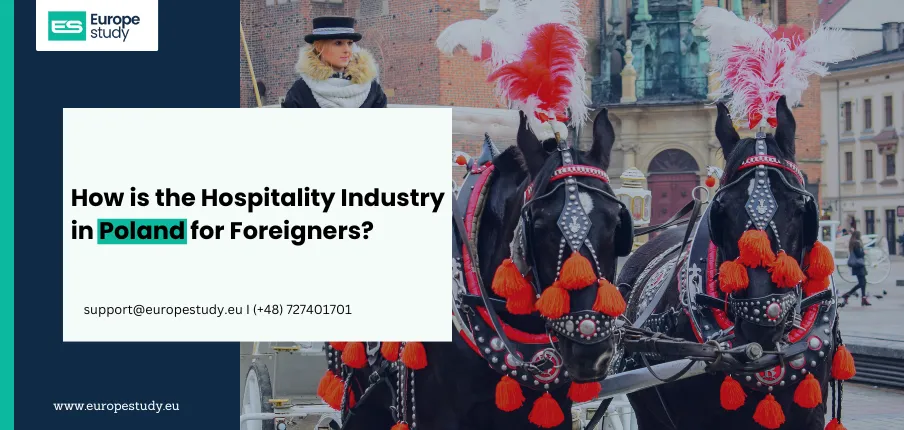
Poland has become one of Central Europe’s most visited countries, attracting millions of tourists each year. Cities like Kraków, Warsaw, Gdańsk, and Wrocław are top destinations with thriving hotels, restaurants, hostels, and cultural sites. This growth fuels constant demand for workers, including international staff.
2. Diverse Job Opportunities
The hospitality industry in Poland includes a wide range of roles—from hotel receptionists, bartenders, and restaurant servers to event coordinators, chefs, and tour guides. Entry-level roles are plentiful, and language skills can be a major asset.
3. Open Doors for English Speakers
While Polish is widely spoken, many hospitality jobs—especially in tourist-heavy areas—require or prefer English. Some hotels and international chains also actively recruit staff who speak other languages like German, Russian, Ukrainian, French, or Spanish.
Types of Jobs Available
Foreigners typically find opportunities in roles such as:
- Hotel reception and front desk
- Waitstaff and bartenders
- Kitchen assistants and chefs
- Housekeeping and maintenance
- Tour operators and guides
- Event staff or concierge services
- Hostel management and volunteer positions
Seasonal positions (especially in summer or around Christmas) are common in mountain resorts, coastal towns, and cities hosting large events or festivals.
Work Conditions and Pay
1. Salary Expectations
Salaries in hospitality are often modest, particularly in entry-level positions. As of 2025:
- Waiters and bartenders typically earn between 3,000–4,500 PLN gross/month
- Receptionists may earn 3,500–5,500 PLN gross/month
- Kitchen staff and cleaners often start at minimum wage (around 4,242 PLN gross/month in 2025)
Tips can significantly supplement income in restaurants, bars, and hotels, especially in high-traffic tourist areas.
2. Working Hours
Hospitality roles often require shift work, including evenings, weekends, and holidays. Overtime pay is sometimes offered but not always guaranteed. Flexibility is a must in this sector.
Legal Requirements for Foreigners
EU/EEA Citizens:
Citizens from EU/EEA countries can work in Poland without a permit. Registration of residence is required after 90 days.
Non-EU Citizens:
Work permits are typically needed, along with a valid visa or residence permit. Many employers in the hospitality sector are willing to sponsor foreign workers, especially in shortage areas.
Key permit types:
- Type A Work Permit (issued for foreigners employed by a Polish company)
- Seasonal Work Permit (ideal for short-term or seasonal roles)
- Blue Card (for highly qualified professionals, less common in hospitality)
Some foreigners also enter Poland with student visas and take up part-time hospitality work legally while studying.
Language Requirements
While many roles are open to English speakers, knowing basic Polish significantly improves job prospects and working conditions. In rural or non-tourist areas, Polish may be essential for communication with both coworkers and guests.
Language schools and integration programs are widely available in larger cities, and many employers value foreign workers who actively try to learn Polish.
Advantages of Working in Polish Hospitality
- Opportunities for quick employment, especially for students or first-time job seekers
- A multicultural environment in major cities and tourist hubs
- A good starting point to build a career in customer service or tourism
- Flexible hours and seasonal roles ideal for those seeking short-term work or travel experiences
Challenges to Be Aware Of
- Low wages in many entry-level jobs, especially without tips
- Physically demanding work and irregular hours
- Language barriers, particularly outside major cities
- Paperwork and permits for non-EU citizens can be time-consuming
Tips for Getting Hired
- Prepare a CV in English and Polish if possible.
- Highlight language skills—especially English and any other foreign languages.
- Use job portals like Pracuj.pl, OLX.pl, or EURES for EU citizens.
- Visit places in person—especially smaller hotels or restaurants that may hire on the spot.
- Network with expat communities and Facebook groups for job leads.
- Consider volunteer programs or internships to get started and gain local experience.
Conclusion
The hospitality industry in Poland presents real opportunities for foreigners, especially those who bring language skills, flexibility, and a willingness to adapt. While pay may not be high, the sector offers valuable work experience, a chance to integrate into Polish society, and a pathway into Europe’s broader job market.
Whether you're a student, a traveler, or looking to settle in Poland long-term, hospitality work can be your first step into the country’s dynamic workforce.