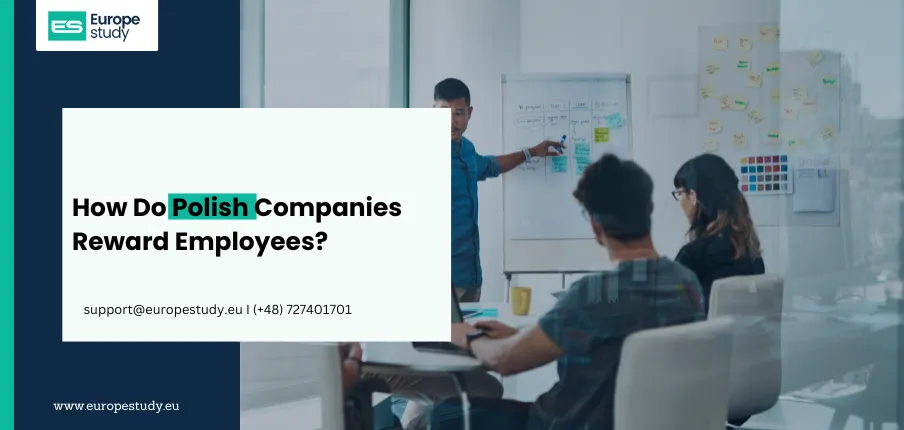
How Do Polish Companies Reward Employees?
Poland, with its booming economy and dynamic job market, offers a variety of employee reward systems that reflect both local culture and global business trends. While traditional compensation packages—such as salaries, bonuses, and benefits—remain central, Polish companies are increasingly adopting creative, employee-focused strategies to engage and retain talent. In this blog post, we’ll explore the most common forms of employee rewards in Poland, from financial to non-financial incentives, and how these rewards align with broader workplace trends.
1. Salaries and Bonuses: The Core of Compensation
In Poland, salary remains the primary form of employee reward, especially in larger companies or corporate settings. The average salary in Poland has steadily increased over the years, particularly in sectors like IT, finance, and engineering. However, salaries in Poland can vary greatly depending on location, industry, and experience level.
Annual Bonuses
Many Polish companies offer annual performance bonuses, which are tied to both individual performance and company results. These bonuses are typically given at the end of the year or just before holidays, helping employees feel appreciated for their contributions over the course of the year. While the bonus amount varies by company and industry, it is generally seen as a vital component of the total compensation package.
13th Month Salary
In some sectors, particularly in the public sector or larger corporations, a 13th-month salary is provided. This is an additional month of salary paid to employees, usually in the last quarter of the year, to help with the holiday season and as a reward for a year’s worth of work.
2. Non-Monetary Rewards: Recognizing Effort Beyond Paychecks
While financial rewards are important, many Polish companies are increasingly turning to non-monetary forms of recognition. These are often linked to employee engagement and long-term retention, as they focus on fostering a positive and supportive work environment.
Employee Recognition Programs
In Poland, many businesses have employee recognition programs that go beyond the usual "Employee of the Month" awards. These programs allow colleagues to nominate one another for exceptional work, collaboration, or leadership. Recognition can come in the form of public shout-outs at team meetings or more formal awards during company-wide events.
Some companies, particularly in larger or international firms, use digital platforms to celebrate employee achievements. These platforms allow managers and peers to instantly recognize contributions, creating a culture of appreciation that boosts morale.
Work-Life Balance Initiatives
Polish companies increasingly recognize the importance of work-life balance as a form of reward. Flexible working hours, options for remote work, and additional paid time off (PTO) are common ways that companies incentivize employees. These rewards help employees manage both their professional and personal lives without feeling overwhelmed.
Additionally, companies in Poland sometimes offer family-oriented rewards, such as extra paid leave for parents or childcare assistance. This demonstrates a commitment to employee well-being, which is increasingly valued in modern workplaces.
3. Career Development and Training: Investing in Employee Growth
Many Polish employers understand that career development is an effective form of reward. By offering opportunities for employees to advance their skills and careers, they provide an incentive for employees to stay with the company and contribute their best work.
Training and Professional Development
Polish companies are increasingly investing in training programs and educational support for employees. These can include technical skills training, leadership development programs, or language courses (often English, given the international nature of many businesses in Poland). Some companies even cover the cost of certifications or provide subsidies for attending conferences and workshops related to the employee’s field.
Internal Promotions
Career growth and promotions are seen as one of the most valued rewards in the workplace. Many Polish companies have structured promotion pathways, encouraging employees to grow within the company rather than seeking opportunities elsewhere. This practice not only rewards employees but also ensures that the organization retains its most valuable talent.
Mentorship Programs
In some organizations, senior employees or managers act as mentors, guiding their younger colleagues in both their personal and professional development. These mentorship opportunities can be seen as a non-financial reward, giving employees the chance to advance their careers in a structured, supportive environment.
4. Workplace Perks: Creating a Positive Environment
Polish employers are increasingly offering workplace perks that enhance the employee experience beyond the office environment. These perks aim to boost employee satisfaction, reduce stress, and make the workplace a more enjoyable and inclusive space.
Health and Wellness Benefits
In Poland, health insurance is typically offered as a standard benefit, but many companies go above and beyond by providing private healthcare plans that give employees quicker access to medical services. Additionally, wellness programs—such as gym memberships, sports teams, or wellness days—are becoming more common as companies seek to improve both physical and mental health.
Free Meals and Snacks
Especially in larger firms or tech companies, it’s not unusual to see free lunches or snacks available in the office. Some companies also provide employees with vouchers or subsidies for meals or drinks, which can be a real incentive, especially in big cities like Warsaw or Kraków.
Team Building and Company Events
Polish companies often organize team-building events or social activities like dinners, escape rooms, or weekend retreats. These events offer employees a chance to relax, bond with colleagues, and build stronger team dynamics outside of the office. It’s a way of rewarding employees by helping to create a more cohesive and enjoyable work environment.
5. Employee Share Ownership and Stock Options
In more international or large Polish companies, especially in the tech or finance sectors, employees may have the option to participate in stock options or employee share ownership programs. This allows employees to become partial owners of the company, offering them a sense of investment and involvement in the company’s long-term success. For many employees, this is seen as a valuable financial reward that aligns their interests with the company’s performance.
Conclusion
Poland's work culture is rapidly evolving, and employee reward systems are adapting to meet the changing needs of the workforce. While traditional salary and bonuses are still at the core of compensation, Polish companies are increasingly offering a mix of financial and non-financial rewards to keep employees motivated, engaged, and loyal. From career development opportunities to wellness programs and flexible work options, Polish companies are showing that rewarding employees goes beyond just paychecks. As Poland continues to be a key player in the European job market, these progressive reward practices will likely become even more widespread.
As a result, employees can expect not just a paycheck but a comprehensive approach to their professional and personal well-being. If you’re considering working in Poland or planning your next career move, understanding these reward systems can help you navigate the landscape and choose an employer that aligns with your values and goals.