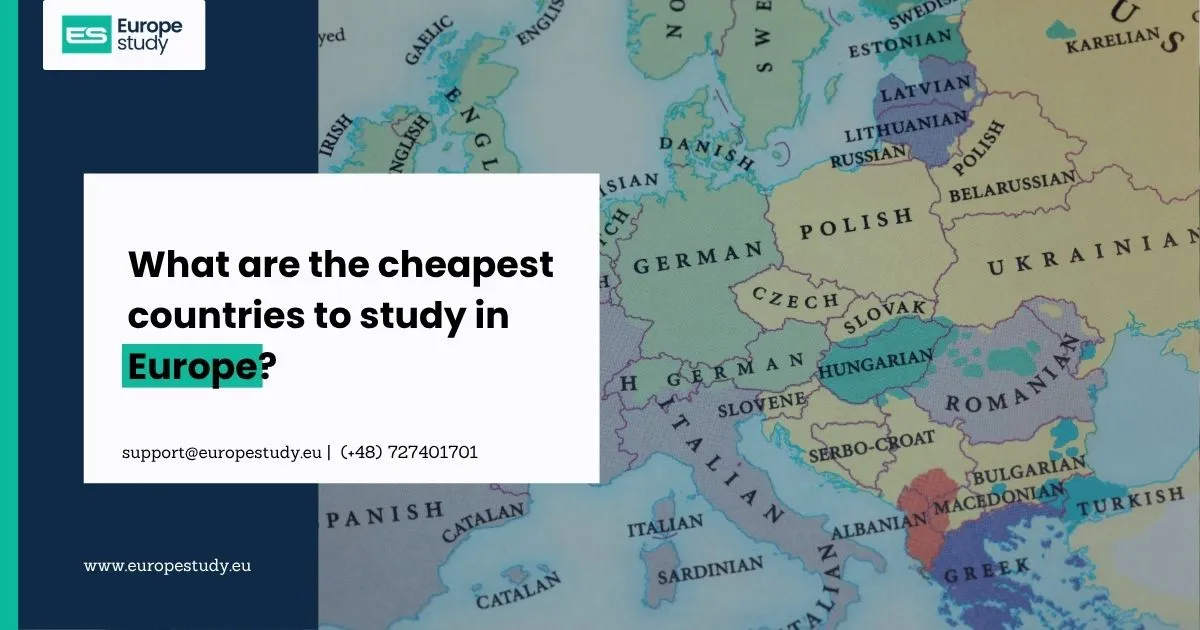
What are the cheapest countries to study in Europe?
Europe has become one of the most affordable study destinations for international students. If you are planning to study abroad on a budget, choosing the cheapest countries to study in Europe can help you save thousands of euros while still receiving a world-class education. Many European countries offer low or even zero tuition fees, affordable living costs, scholarships, and strong career opportunities after graduation. In this complete guide, you will discover the most budget-friendly countries, universities, courses, visa details, and everything you need to start your journey. Studying in Europe is no longer expensive—it is smart, accessible, and full of opportunities.
What Makes Europe Affordable for Students?
Europe stands out because many public universities are government-funded, which keeps tuition fees low. In countries like Germany and Norway, students can even study for free at public universities. Additionally, living costs in Eastern and Central Europe are significantly lower compared to countries like the UK or the USA. Students also benefit from part-time work opportunities, scholarships, and student discounts on transportation, food, and accommodation.
Key Highlights of Cheapest Study Destinations in Europe
| Feature | Details |
| Average Tuition Fees | €0 – €8,000 per year |
| Monthly Living Cost | €400 – €1,000 |
| Popular Intake | September & February |
| Visa Type | Student Visa / National Visa |
| Processing Time | 4 – 10 weeks |
| Part-Time Work | 20 hours/week |
| Post-Study Work | 1 – 3 years |
Germany – Free Education with High Quality
Germany is one of the cheapest countries in Europe to study, especially for international students. Public universities charge little to no tuition fees, even for non-EU students. Students only pay a small semester fee, usually between €150 and €350. Living costs are around €800–€1,200 per month. Germany is known for its strong education system, especially in engineering, IT, and business. Many universities offer programs in English, and IELTS is not always required if you provide a Medium of Instruction certificate.
Poland – Affordable Education with Growing Opportunities
Poland is becoming a popular destination due to its low tuition fees and affordable cost of living. Students can study in Poland for as low as €2,000 to €4,000 per year. Living costs are also low, around €400–€700 per month. Universities in Poland offer a wide range of English-taught programs in business, medicine, and engineering. The country is safe, student-friendly, and provides good part-time work opportunities.
Hungary – Budget-Friendly with Scholarships
Hungary offers quality education at affordable prices. Tuition fees range from €3,000 to €6,000 per year, and living costs are around €500–€800 per month. One of the biggest advantages is the Stipendium Hungaricum scholarship, which covers tuition fees and provides a monthly stipend. Hungary is a great option for students interested in medicine, engineering, and business studies.
Italy – Affordable Education with Cultural Experience
Italy combines affordable education with rich cultural experiences. Tuition fees range from €1,000 to €4,000 per year in public universities. Living costs are around €700–€1,200 per month, depending on the city. Italy offers many scholarships and allows students to study in English. Popular courses include fashion, design, architecture, and business.
France – Low Tuition with Global Recognition
France is another affordable option, especially in public universities where tuition fees are subsidised by the government. Students pay around €2,500 to €4,000 per year. Living costs range from €800 to €1,200 per month. France is known for its business schools, engineering programs, and arts education. Many universities offer English-taught courses, and scholarships are widely available.
Spain – Affordable Lifestyle with Quality Education
Spain offers a perfect balance of affordability and quality of life. Tuition fees range from €1,000 to €3,500 per year, and living costs are around €700–€1,100 per month. Spain is popular for business, tourism, and arts programs. Students also enjoy a vibrant culture, warm climate, and excellent food.
Norway – Study for Free in Public Universities
Norway offers free education at public universities, even for international students. However, the cost of living is higher, around €1,000–€1,500 per month. Despite this, many students choose Norway for its high-quality education, safe environment, and strong career opportunities.
Top Affordable Courses in Europe
Students can choose from a wide range of affordable programs. Bachelor’s degrees usually take 3–4 years, while master’s programs take 1–2 years. Popular courses include business administration, computer science, engineering, healthcare, hospitality, and data science. Many universities also offer diplomas and vocational courses focused on practical skills and job-readiness.
Eligibility Criteria for Affordable Study in Europe
To study in the cheapest countries in Europe, students must meet basic eligibility requirements. These include academic qualifications (high school for bachelor’s degrees and a degree for master’s degrees), proof of English proficiency (IELTS, MOI, or interviews), and supporting documents such as SOPs, LORs, and CVs. Some countries may have additional requirements depending on the course.
Required Documents for Admission and Visa
Students need a valid passport, academic transcripts, certificates, an SOP, a LOR, a CV, and proof of English proficiency. Financial proof is required to show that the student can cover tuition and living expenses. Health insurance and medical certificates may also be required for visa processing.
Student Visa Process in Europe
The visa process includes applying online, submitting documents, and attending an interview if required. Processing time usually ranges from 4 to 10 weeks. Students must show proof of admission, financial stability, accommodation, and health insurance. After arrival, students may need to apply for a residence permit.
Scholarships and Financial Aid
Many European countries offer scholarships to international students. These include government-funded programs, university scholarships, and private grants. Scholarships can significantly reduce the cost of studying and may cover tuition fees, living expenses, or both.
Part-Time Work Opportunities
Students can work up to 20 hours per week during their studies. Jobs are available in restaurants, retail stores, and universities. The average wage ranges from €8 to €15 per hour, helping students manage their expenses.
Post-Study Work Opportunities
After graduation, students can stay in Europe for 1 to 3 years to find a job. Countries like Germany, France, and Italy offer post-study work visas. This allows students to gain experience and apply for permanent residency.
Why Choose the Cheapest Countries in Europe?
Affordable countries in Europe offer high-quality education, global exposure, and strong career opportunities. Students can study without financial stress while enjoying a multicultural environment and an excellent quality of life. These countries provide the perfect balance of cost and quality.
Call to Action
If you want to study in the cheapest countries in Europe, now is the perfect time to start your journey. Europe Study provides expert guidance, university selection, and visa support to help you achieve your dream. Apply now ? https://europestudy.eu and secure your future today.
FAQs
1. Which is the cheapest country to study in Europe?
Germany is the cheapest, offering free education in public universities.
2. Can I study in Europe for under €5,000 per year?
Yes, countries like Poland, Hungary, and Italy offer programs under €5,000.
3. Is Europe cheaper than the USA or the UK?
Yes, Europe is significantly more affordable in terms of tuition and living costs.
4. Are scholarships available in cheap countries?
Yes, many countries offer scholarships for international students.
5. Can I work while studying in Europe?
Yes, students can work part-time up to 20 hours per week.
6. Is Germany really free for international students?
Yes, public universities charge minimal or no tuition fees.
7. What is the cheapest living cost in Europe?
Poland and Hungary offer living costs as low as €400 per month.
8. Do I need IELTS for cheap countries?
Not always; many universities accept MOI or interviews.
9. Can I stay after graduation?
Yes, most countries offer post-study work visas.
10. Which country is best for Indian students?
Germany, Poland, and Italy are popular among Indian students.
11. What courses are cheapest in Europe?
Business, IT, and engineering are affordable and popular.
12. Is Europe safe for students?
Yes, Europe is one of the safest regions for international students.
13. How long does the visa take?
4 to 10 weeks, depending on the country.
14. Can I study in English in Europe?
Yes, many universities offer English-taught programs.
15. How can Europe Study help me?
Europe Study guides you through admission, visa, and career planning.
Conclusion
Choosing the cheapest countries to study in Europe is a smart decision for students who want quality education without high costs. With options like Germany, Poland, Hungary, Italy, and France, you can achieve your academic and career goals while staying within budget. Europe offers everything from affordable tuition to strong job opportunities, making it one of the best study destinations in the world. Start your journey today with Europe Study and turn your dream into reality.