How Learning a Language Changes Students' Lives
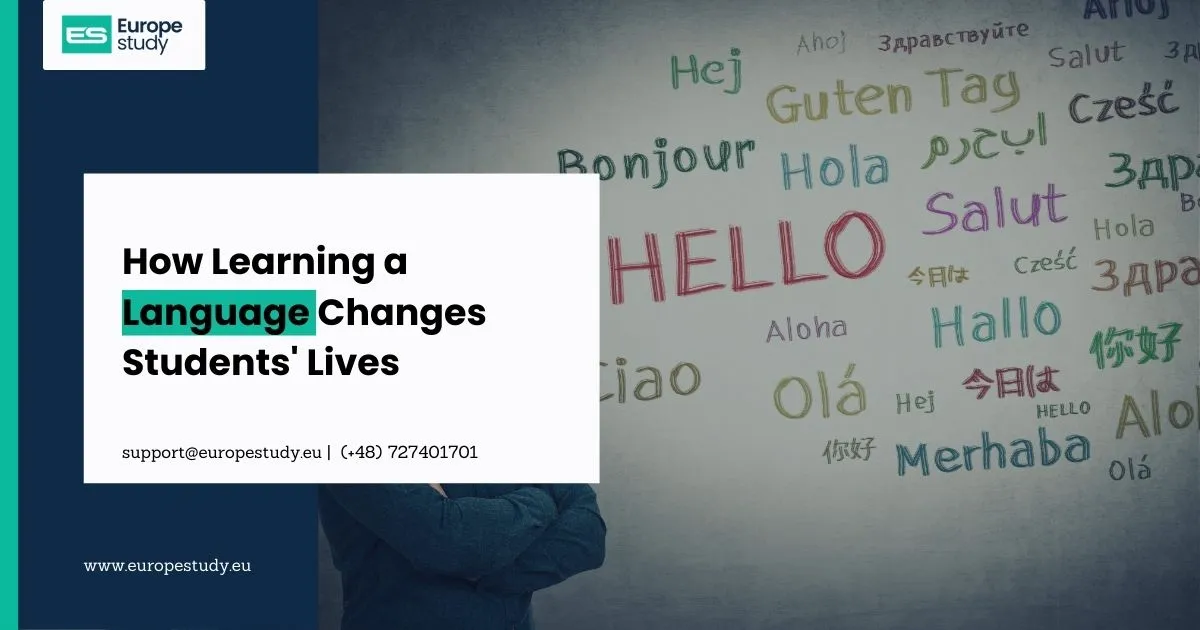
In Europe, learning a new language offers students far more than just fulfilling academic requirements—it can be life-changing. Beyond boosting intelligence and preventing cognitive decline, multilingualism opens doors to new experiences, both personally and professionally.
Boost Your Confidence
Mastering a foreign language pushes students out of their comfort zones. Whether practicing new vocabulary or conversing with native speakers, the process builds resilience and self-assurance. Many students report feeling more confident in tackling challenges, both in their studies and daily lives.
Enhance Career Prospects
In Europe’s multilingual job market, fluency in more than one language is a valuable asset. Companies increasingly seek bilingual or multilingual employees to meet their international business needs. Languages such as English, German, French, and Spanish are in high demand. Multilingual graduates also have more freelance and remote work opportunities, allowing them to tap into the global job market.
Connect with More People
Learning a new language fosters meaningful connections. European universities often offer language exchange programs, allowing students to engage with native speakers. This cultural immersion helps students build international friendships and networks, enriching their social lives.
Belong to Multiple Communities
Being multilingual makes students more adaptable and empathetic. It enables them to integrate into diverse societies, whether through study exchanges, internships, or travel. Speaking the local language makes it easier to form genuine connections and feel at home in different European countries.
Invest in Your Future
For students in Europe, learning a foreign language is more than an academic achievement—it’s a gateway to new opportunities, cultures, and personal growth. Whether aiming for a global career or simply seeking deeper connections, multilingualism is a skill that shapes a brighter future.