
Which European country is best for MBA?
Which European Country Is Best for MBA? A Complete Europe Study Guide for International Students
Choosing where to do your MBA is one of the most important career decisions you will ever make, and Europe has emerged as one of the strongest global regions for business education. With internationally ranked business schools, shorter and more affordable programmes than the United States in many cases, multicultural classrooms, and access to a wide European job market, Europe attracts ambitious MBA aspirants from across Asia, Africa, Latin America, and beyond. A common question students bring to Europe Study is simple but important: which European country is actually the best for an MBA?
The honest answer is that there is no single "best" country — the right choice depends on your career goals, budget, target industry, language skills, and long-term plans like work and settlement. The United Kingdom, France, Spain, Germany, Netherlands, Ireland, Italy, and Switzerland each offer unique advantages. In this detailed guide, Europe Study compares the top European countries for MBA, looks at cost, return on investment, scholarships, post-study work rights, and helps you choose the destination that fits your profile and ambitions best.
Why Europe Is a Top Choice for MBA
Before comparing countries, it helps to understand why Europe has become such a strong MBA destination. Europe is home to several of the world's top-ranked business schools, including names regularly featured in global MBA rankings. Many European MBA programmes are completed in 10 to 18 months, compared to the typical two-year US format, which means lower tuition costs and faster return to the workforce.
European MBAs are also known for international classrooms, with cohorts often made up of students from 40 or more nationalities. This global exposure, combined with strong corporate networks, internships, consulting projects, and access to industries like finance, technology, luxury, fashion, automotive, energy, and pharmaceuticals, makes Europe a powerful launchpad for global business careers.
Key Factors to Consider Before Choosing an MBA Country
Before picking a country, Europe Study recommends evaluating these crucial factors:
Your target career sector and the strongest industries in each country, total cost including tuition and living expenses, average salary and job placement after graduation, language requirements and whether English-taught programmes are available, post-study work and PR options, scholarship and funding opportunities, and the long-term value of the school's brand and alumni network.
With these in mind, let's look at the top European countries for MBA and what each one is genuinely good for.
United Kingdom: Global Brand Value and Strong Finance Network
The United Kingdom remains one of the most prestigious destinations for MBA studies in Europe, home to schools like London Business School, Oxford Saïd, Cambridge Judge, Warwick, Imperial, and Manchester.
Why Choose the UK for MBA
The UK offers globally recognised one-year MBA programmes, exceptional access to finance, consulting, and technology jobs, especially in London, and a strong international brand value that opens doors worldwide. English-taught programmes and a large Indian, African, and Asian alumni network make the UK particularly attractive for students from these regions.
Cost and ROI
UK MBA programmes are among the most expensive in Europe, with top schools charging premium tuition. Living costs in London are also high. However, salary outcomes and global brand recognition often justify the investment, especially for students targeting consulting, investment banking, and corporate strategy roles.
Post-Study Work
The UK Graduate Route allows eligible international graduates to stay and work for a defined period after their studies. From there, students can transition to skilled worker visas. Post-study work and visa rules can change and may vary by nationality and qualification, so always confirm the latest official UK Home Office requirements.
France: Global MBA Powerhouse with Strong ROI
France has quietly become one of the most powerful MBA destinations in the world, thanks to schools like INSEAD, HEC Paris, ESSEC, ESCP, EDHEC, and emlyon.
Why Choose France for MBA
France offers some of the highest-ranked MBA programmes globally, with strong global recruiter relationships in consulting, luxury, finance, and technology. INSEAD and HEC Paris regularly appear at the top of international MBA rankings, attracting global candidates. Most top MBAs in France are taught entirely in English.
Cost and ROI
Top French MBAs are expensive but typically deliver excellent ROI through high post-MBA salaries and strong placement records, particularly in consulting and finance. France also offers a wide range of scholarships, fellowships, and need-based grants for international students.
Post-Study Work
France offers a post-study work option that allows graduates from recognised institutions to stay and search for jobs or start a business. From there, students can move to longer-term work permits. Rules and durations may vary by qualification and nationality.
Spain: Innovation, Lifestyle, and Strong MBA Brands
Spain has become a top MBA destination thanks to globally ranked schools like IE Business School, IESE Business School, and ESADE.
Why Choose Spain for MBA
Spain offers globally respected English-taught MBA programmes, a vibrant lifestyle, lower cost of living than the UK or Switzerland, and strong access to European, Latin American, and emerging market opportunities. Spanish business schools are particularly well-known for entrepreneurship, innovation, family business, and international business.
Cost and ROI
Tuition at top Spanish MBAs is competitive with other European leaders, but living costs in cities like Madrid and Barcelona are generally lower than in London or Paris. Spain is especially attractive for students who want a high-quality MBA with a balanced lifestyle.
Post-Study Work
Spain offers post-study residence and job search options for graduates, with pathways toward longer-term work permits. Specific durations and conditions may vary based on the latest immigration rules.
Germany: Engineering, Industry, and Affordability
Germany is a strong MBA destination, especially for students focused on industry, manufacturing, automotive, supply chain, and technology, with leading schools like Mannheim Business School, ESMT Berlin, Frankfurt School of Finance and Management, HHL Leipzig, and WHU Otto Beisheim.
Why Choose Germany for MBA
Germany is home to one of the strongest economies in Europe, with massive demand for skilled professionals in engineering-driven industries, finance, and technology. Many German MBA programmes are taught in English and offer strong corporate links with global companies headquartered in Germany.
Cost and ROI
While top private German business schools charge significant tuition, the overall cost is often lower than in the UK, France, or Switzerland. Living expenses in many German cities are also more moderate, improving overall ROI.
Post-Study Work and PR
Germany is one of the most attractive countries for long-term settlement after an MBA, thanks to its 18-month job search visa, EU Blue Card option for qualified professionals, and a clearer path to permanent residence. Students aiming for long-term careers and PR in Europe often find Germany highly appealing.
Netherlands: International, English-Friendly, and Career-Focused
The Netherlands has built a strong MBA reputation through schools like Rotterdam School of Management (RSM), Nyenrode Business University, Maastricht School of Management, and Amsterdam Business School.
Why Choose the Netherlands for MBA
The Netherlands offers high English proficiency among locals, internationally ranked MBA programmes, and a strong focus on innovation, sustainability, logistics, finance, and technology. Amsterdam and Rotterdam are major European business hubs with significant multinational presence.
Cost and ROI
MBA tuition in the Netherlands is generally more moderate than in the UK or top French schools, while career outcomes remain strong, especially in international business and consulting.
Post-Study Work
The Netherlands offers an "Orientation Year" residence permit that allows recent international graduates to stay and search for work or start a business, with pathways toward longer-term residence and the EU Blue Card.
Ireland: English-Taught MBA Hub with Tech and Pharma Strength
Ireland has gained popularity as an MBA destination thanks to schools like Trinity Business School, UCD Smurfit, and other reputable institutions. It is particularly attractive for students focused on technology, pharma, and finance.
Why Choose Ireland for MBA
Ireland offers English-taught MBAs, a strong job market driven by global tech and pharma companies headquartered in Dublin, and a clear post-study work route. The country's smaller size also means tighter alumni networks and personal attention in many programmes.
Cost and ROI
Tuition and living costs in Ireland, especially in Dublin, are significant but generally lower than in top UK and Swiss schools. Strong corporate hiring in Ireland's tech and pharma sectors supports good ROI for many MBA graduates.
Post-Study Work
Ireland offers a Third Level Graduate Programme that allows eligible graduates to stay and look for work, with master's level graduates often qualifying for a longer stay-back. From there, students can move to employment permits with long-term residence potential.
Italy: Style, Strategy, and Globally Ranked Schools
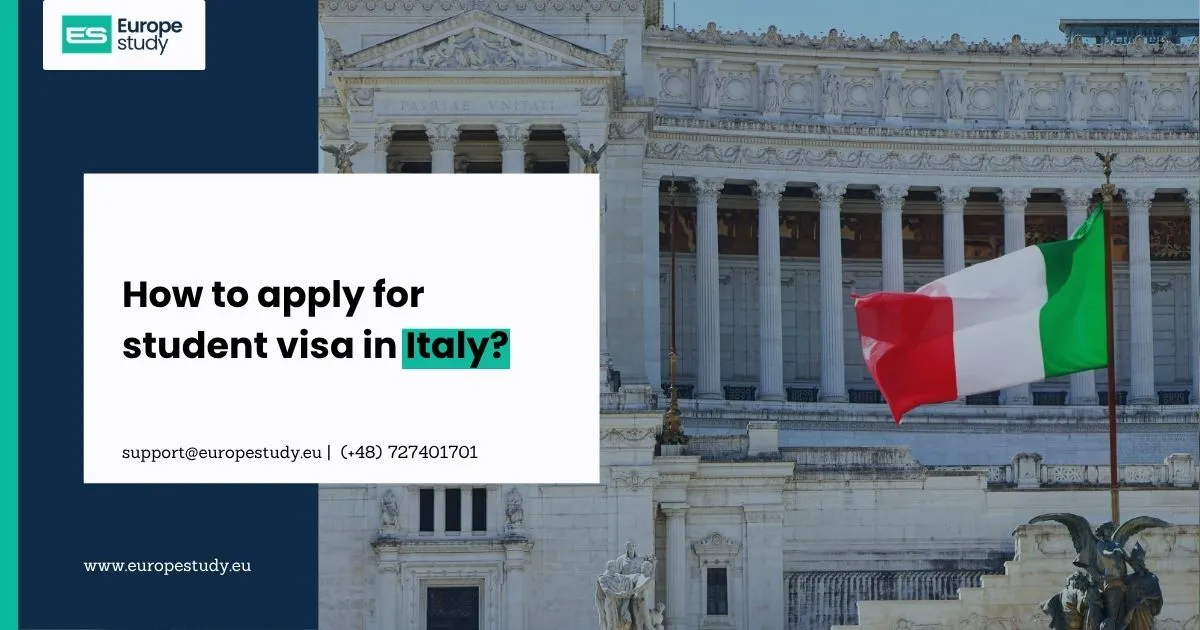
Italy is home to globally respected business schools such as SDA Bocconi (Milan), Politecnico di Milano School of Management, MIP, and Luiss Business School.
Why Choose Italy for MBA
Italy offers strong MBA brands, an unbeatable cultural and lifestyle experience, and excellent industry exposure in fashion, luxury, automotive, design, manufacturing, and finance. Many programmes are taught in English and feature strong international cohorts.
Cost and ROI
Italian MBA tuition is competitive, and the overall cost of living, especially outside Milan, is often lower than in the UK or Switzerland. Italy is a strong choice for students wanting a globally ranked MBA at a relatively reasonable cost.
Post-Study Work
Italy provides post-study residence options that allow graduates to look for employment and transition to work permits, subject to current rules and conditions.
Switzerland: Premium MBA, Banking, and Global Exposure
Switzerland is home to elite institutions like IMD Lausanne and the University of St. Gallen, both highly respected globally.
Why Choose Switzerland for MBA
Switzerland offers premium-quality MBA experiences with small class sizes, top-tier faculty, and strong industry links in banking, pharmaceuticals, luxury, and consulting. The country's stability and global reputation add long-term brand value.
Cost and ROI
Switzerland is one of the most expensive MBA destinations in Europe, both in terms of tuition and living costs. However, salary outcomes and brand recognition can be exceptional for students placed in top global firms after graduation.
Post-Study Work
Switzerland's post-study work and immigration rules are more restrictive than EU countries, and conditions can vary based on quotas and nationality. It is important to study current rules carefully before choosing Switzerland for long-term settlement.
So, Which European Country Is Actually Best for MBA?
There is no one-size-fits-all answer, but Europe Study can suggest some clear directions based on your profile:
Best for Global Brand and Finance Careers
If your goal is to build a powerful global brand and break into top consulting, investment banking, or finance, the UK and France are usually the strongest choices, especially through schools like London Business School, Oxford, Cambridge, INSEAD, and HEC Paris.
Best for Affordable High-Quality MBA
If you want an excellent MBA without paying top US-level tuition, Germany, Netherlands, Ireland, Italy, and Spain offer strong programmes with relatively better cost-to-return ratios.
Best for Long-Term Settlement and PR
If your goal is not just an MBA but also long-term work and PR in Europe, Germany, Netherlands, and Ireland generally offer the most graduate-friendly post-study work routes and clear pathways to permanent residence.
Best for Entrepreneurs and Innovation Focus
If you are aiming for entrepreneurship, family business, or innovation-driven careers, Spain (IE, IESE, ESADE), Italy (SDA Bocconi), and the Netherlands (RSM, Nyenrode) are particularly strong.
Best for Premium, Niche MBA Experience
If you want a small-cohort, premium MBA experience with deep executive focus, Switzerland's IMD and similar schools stand out, although at a much higher cost.
It is important to remember that admissions, scholarships, post-study work rules, and PR pathways may vary based on your nationality, qualifications, university, course, intake, and the latest official requirements. Always compare schools and immigration rules carefully before applying.
Common Mistakes to Avoid When Choosing an MBA Country
Many students lose value from their MBA decision because of avoidable mistakes such as:
Choosing a country only based on rankings without considering job markets, ignoring language requirements in non-English-speaking countries, underestimating total cost including living expenses, focusing only on tuition without considering post-study work and PR options, overlooking scholarship deadlines, and not aligning the MBA specialisation with their long-term career goals.
A smart approach is to align country, school, specialisation, and post-MBA goals from the very beginning, rather than making decisions in isolation.
Practical Tips for International MBA Aspirants
To make a strong MBA decision and application, Europe Study recommends:
Researching at least three to five target schools in different countries, understanding GMAT, GRE, IELTS, TOEFL, or PTE requirements for each, applying to multiple scholarships and need-based grants, building a strong CV with measurable achievements, preparing thoughtful, customised essays for each school, taking interviews seriously, and planning finances realistically for at least one full year of expenses.
Treating the MBA application as a structured project — not a last-minute decision — significantly improves your chances of getting into top European schools and securing strong financial support.
Final Guidance from Europe Study
Choosing the best European country for your MBA is less about "the most famous" and more about "the most suitable" for your goals. The UK and France lead in global brand value and finance careers, Germany and Netherlands are strong on affordability and long-term settlement, Spain and Italy shine in entrepreneurship and lifestyle, Ireland balances English-taught programmes with strong tech and pharma jobs, and Switzerland offers premium executive-style MBAs at a higher cost. Each country has its own strengths, and the right answer depends on what you actually want from your career.
Because MBA admissions, scholarships, visa rules, and post-study work options can vary based on your nationality, course, university, and the latest regulations, it is always wise to follow current official information and work with an experienced education partner. Europe Study helps international MBA aspirants compare countries, shortlist business schools, prepare for entrance exams, build strong applications, secure scholarships, and plan their post-MBA careers, so that your investment in a European MBA truly translates into long-term professional and personal growth.
FAQs
Which European country offers the best ROI for MBA?
ROI depends on tuition, living costs, and post-MBA salaries. France and the UK often deliver high salary outcomes through top schools, while Germany, Netherlands, and Ireland offer strong ROI through more moderate costs and good job markets, especially in tech, finance, and engineering sectors.
Can I do an MBA in Europe in English?
Yes. Most top MBA programmes across the UK, France, Spain, Germany, Netherlands, Ireland, Italy, and Switzerland are taught entirely in English, especially at internationally ranked business schools. Local language skills, however, can significantly improve job prospects after the MBA.
Is GMAT mandatory for MBA in Europe?
Many top European MBA programmes require GMAT or GRE, but several reputable schools have introduced GMAT waivers based on professional experience, academic background, or alternative tests. Requirements can vary by school and intake, so it is best to check the latest admission criteria for each programme.
How long is an MBA programme in Europe?
Most full-time MBA programmes in Europe range from around 10 to 18 months, although some are structured as two-year programmes. Shorter durations help reduce overall cost and allow faster return to the workforce, which is one of Europe's biggest MBA advantages.
Which European country is best for MBA in finance?
The UK, especially London, is a leading destination for MBA in finance, thanks to its position as a global financial centre. France, Switzerland, and Germany also offer strong finance-focused MBA pathways through schools like HEC Paris, INSEAD, IMD, and Frankfurt School of Finance and Management.
Which European country is best for MBA in technology?
Ireland, Netherlands, and Germany are strong choices for MBA in technology, given the heavy presence of global tech firms in these countries. The UK also offers excellent tech-focused career opportunities, especially in London and other major hubs.
Are there scholarships for MBA in Europe?
Yes, almost every top European business school offers a range of merit-based, need-based, country-specific, and diversity scholarships. Some governments and external organisations also provide funding. Europe Study strongly recommends applying early and to multiple scholarships to improve funding chances.
Which European country is best for MBA and PR?
For long-term work and PR, Germany, Netherlands, and Ireland are often considered among the most graduate-friendly. They offer structured post-study work permits, EU Blue Card options where applicable, and clearer paths to permanent residence for qualified professionals.
Is MBA in Europe better than MBA in the US?
Both regions have strong advantages. Europe usually offers shorter, more international, and often more affordable MBAs, while the US tends to have larger cohorts and stronger domestic networks. The right choice depends on your target geography, industry, and career goals after the MBA.
Can I work part-time during my MBA in Europe?
Many European countries allow international students to work limited hours during studies, with extra hours during official holidays. Rules vary by country and visa type, but part-time work helps cover living costs and provides valuable local experience, which can support your post-MBA job search.
How do I decide which European country is right for my MBA?
Start by defining your target industry, budget, language preferences, and long-term goals such as PR or returning home. Then match these with the strengths of each country and school. Europe Study helps students go through this structured comparison so they choose a country that genuinely fits their profile and ambitions.
How can Europe Study help me choose the right MBA country?
Europe Study offers personalised guidance on shortlisting countries, business schools, and specialisations based on your career goals and budget. From entrance exam preparation, application strategy, and scholarships to visa and post-MBA planning, Europe Study supports every step so your European MBA becomes a powerful foundation for your global career.